What is colour analysis?
How colour next to your face either steadies the skin or takes the blood from it — 12 seasons, not a personality type.
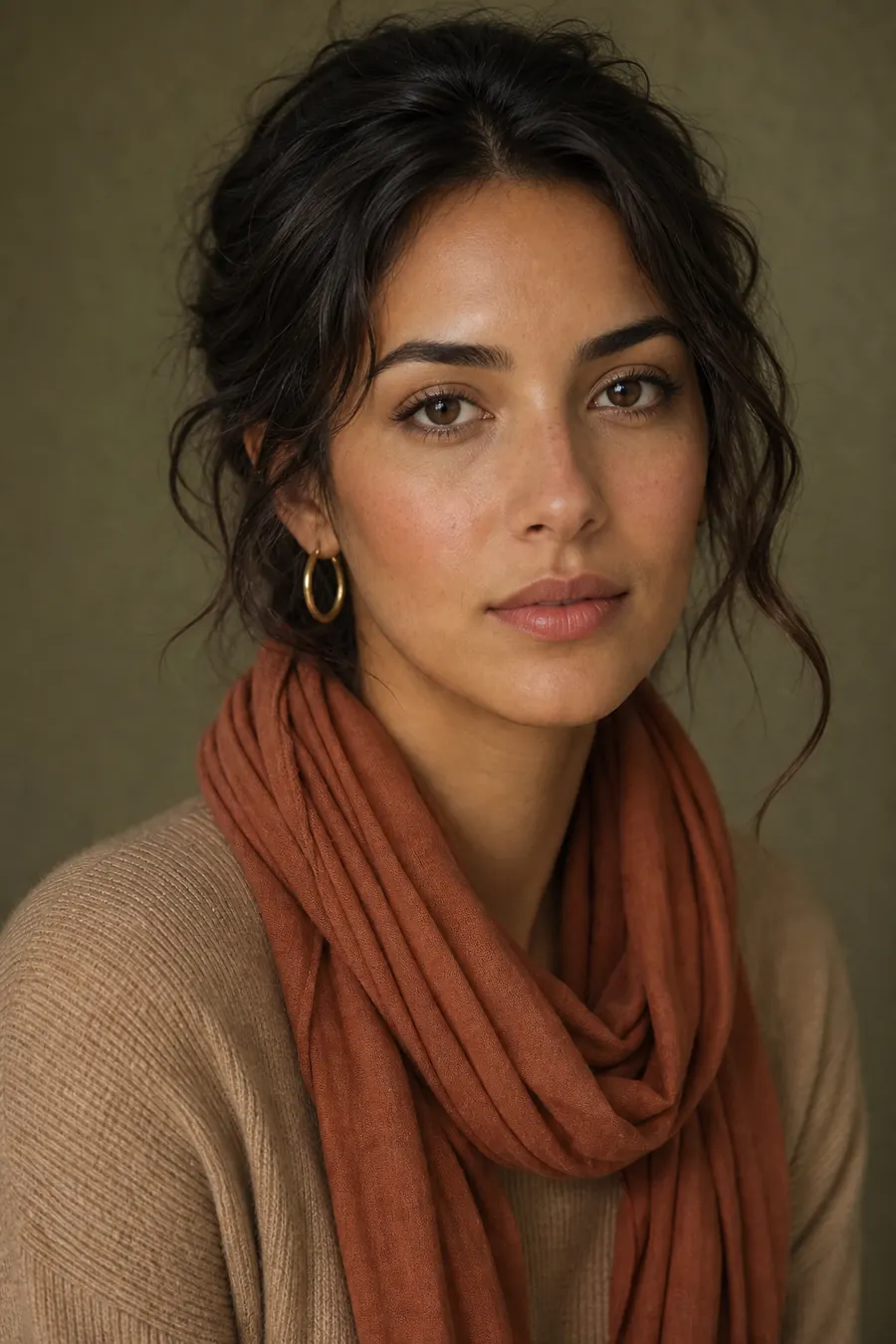
What colour analysis is
Colour analysis — also called seasonal colour analysis or personal colour analysis — is observation of how cloth changes a face. The useful claim is small. Some reds even the skin. Other reds make it look tired. The result is a palette for clothes, makeup, hair, and jewellery that sit near the skin. It is not a horoscope and not industrial colourimetry.
In British English the search is “colour” with a U. This page matches that spelling. The method is the same 12-season grid used on the rest of this site. House of Colour is a four-season studio network in the UK and Ireland. It is not this website. A House of Colour sitting is live fabric; this page is a definition, then a three-question teaser.
Studio draping in Britain typically costs a few hundred pounds for an hour or two of north light and cloth — not dollars. Carole Jackson’s Colour Me Beautiful (1980) named four families; Kathryn Kalisz (Sci/ART) and True Colour International teach the twelve axes Season Palette uses. Sixteen-type schools name the borders too. We ship twelve, not sixteen.
How colour analysis works
You watch the face, not the cloth. Wrong colour: yellow-cast or grey-cast, deeper under-eyes, lips that lose blood. Right colour: evening of the skin, shallower shadows, colour returning to the mouth. If two of three worsen, that colour is not yours — even if you like it on the hanger.
Carole Jackson’s Colour Me Beautiful put four families into department-store English: Spring and Autumn as warm, Summer and Winter as cool. House of Colour and many UK stylists still drape those four. Useful as a first cut. Two Autumns do not share a lipstick.
Four seasons versus twelve
Twelve seasons add value (light versus deep) and chroma (bright versus soft) on top of warm/cool. That is the Sci/ART lineage, the same axes taught by True Colour International. Season Palette uses twelve, not sixteen. “True Spring” in some studios maps to Warm Spring here. Translate the face — gold or silver, white or ivory — not the string.
Spring (warm, light, clear): Light, Warm, Bright. Summer (cool, soft): Light, Cool, Soft. Autumn (warm, muted, dense): Soft, Warm, Deep. Winter (cool, high contrast): Bright, Cool, Deep.
How to do colour analysis at home
North daylight. No makeup. Hair off the jaw. Optical white versus ivory, then silver versus gold, at the collarbone. That is the honest DIY yield: temperature and contrast. Light Spring versus Bright Spring still needs live fabric.
A three-question colour analysis quiz is structured self-report of eyes, skin depth, and hair. It names a neighbourhood. It will not finish a sub-season. Vein charts under a yellow bulb are a weak hint.
How much does colour analysis cost?
In-person draping in the UK and Ireland typically costs a few hundred pounds for 60–120 minutes of live fabric. You are paying for cloth, north light, and someone watching your face. House of Colour is a studio network, not this website.
This quiz does not require an account. The exact season unlocks from one photo in the app. Flash and restaurant bulbs lie. If the decision is hair dye or a wedding palette, drape.
What season am I?
That search wants a name. A name is only useful if the method matches how sure you need to be. Three typed answers can open the right family. A daylight still can tighten undertone. Cloth on the shoulders still finishes chroma.
Sister seasons share a border. Soft Autumn and Soft Summer both want muted colour; they split on gold versus silver and on rust versus dusty rose. The quiz will not break that tie. Hold metal at the jaw.